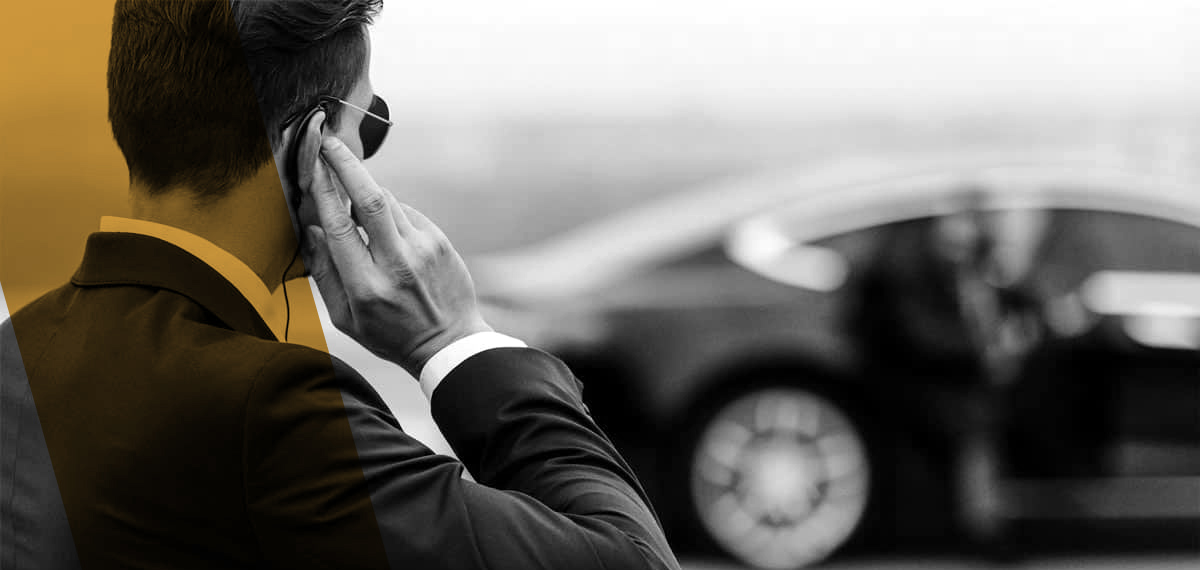
VIP Security Service
A VIP security service typically provides protection and security for high-profile individuals, such as politicians, celebrities, business executives, and other public figures. The service may include a team of highly trained and experienced security professionals who are equipped to handle a wide range of security-related tasks, including personal protection, risk assessment, and crisis management.
Some of the key features of a VIP security service may include:
- Personal protection: This can include bodyguard services, as well as protection during travel and at events.
- Risk assessment: The security team will conduct a thorough assessment of potential risks and develop a plan to mitigate them.
- Crisis management: The team will be prepared to handle any unexpected security-related incidents and have a plan in place for responding to them.
- Intelligence and surveillance: The team may use surveillance and intelligence-gathering techniques to stay informed about potential security threats.
- Discreet and professional service: The security team will be trained to be discreet and professional, so as not to draw attention to themselves or their clients.
It is important to note that VIP security services can vary greatly depending on the client’s specific needs and the level of protection required. It can also be quite expensive service


Vehicle Patrol
A security company vehicle patrol service involves the use of vehicles, such as cars, vans, or SUVs, to patrol a designated area and provide security for that area. The patrols may be conducted on a regular schedule, such as every hour, or on an as-needed basis. The security personnel inside the vehicle are trained to detect and respond to security-related incidents, such as suspicious behavior, trespassing, and vandalism.
Some of the key features of a vehicle patrol service may include:
- Regular patrols: Vehicles are driven through the designated area on a regular schedule, providing a visible security presence and deterring criminal activity.
- Incident response: Security personnel are trained to detect and respond to security-related incidents, such as suspicious behavior, trespassing, and vandalism.
- Communication: The security personnel have communication devices to communicate with the control center or emergency services in case of any incident.
- Mobile surveillance: The vehicles are equipped with cameras, lighting, and other surveillance equipment to enhance the security team’s ability to detect and respond to security-related incidents.
- Reporting: The security personnel will document and report any incidents or suspicious activity they encounter during their patrols.
It’s worth noting that vehicle patrol services can be an effective supplement to other security measures, such as stationary guards or surveillance cameras, as they provide a mobile security presence that can cover a larger area. Additionally, vehicle patrol services can be tailored to meet the specific needs of the client and the location being patrolled

Round a clock response to calls
A round-the-clock response to calls service is a security service that provides 24/7 availability to respond to calls for assistance or reports of incidents. This service is designed to provide a rapid response to security-related incidents, ensuring that help arrives quickly and that the situation is dealt with effectively.
Some of the key features of a round-the-clock response to calls service may include:
- 24/7 availability: The service is available at all times, ensuring that help is always available when it is needed.
- Rapid response: The security personnel are trained to respond quickly to calls for assistance or reports of incidents, ensuring that help arrives as soon as possible.
- Communication: The security personnel have communication devices to communicate with the control center or emergency services in case of any incident.
- Incident management: The security personnel are trained to deal effectively with a wide range of security-related incidents, such as suspicious behavior, trespassing, and vandalism.
- Reporting: The security personnel will document and report any incidents or suspicious activity they encounter during their response.
It’s important to note that round-the-clock response to calls service is particularly useful for locations that are at high risk of security-related incidents, or where there is a need for a rapid response to incidents. This service can also be used in conjunction with other security measures, such as surveillance cameras or mobile patrols, to enhance the overall level of security.

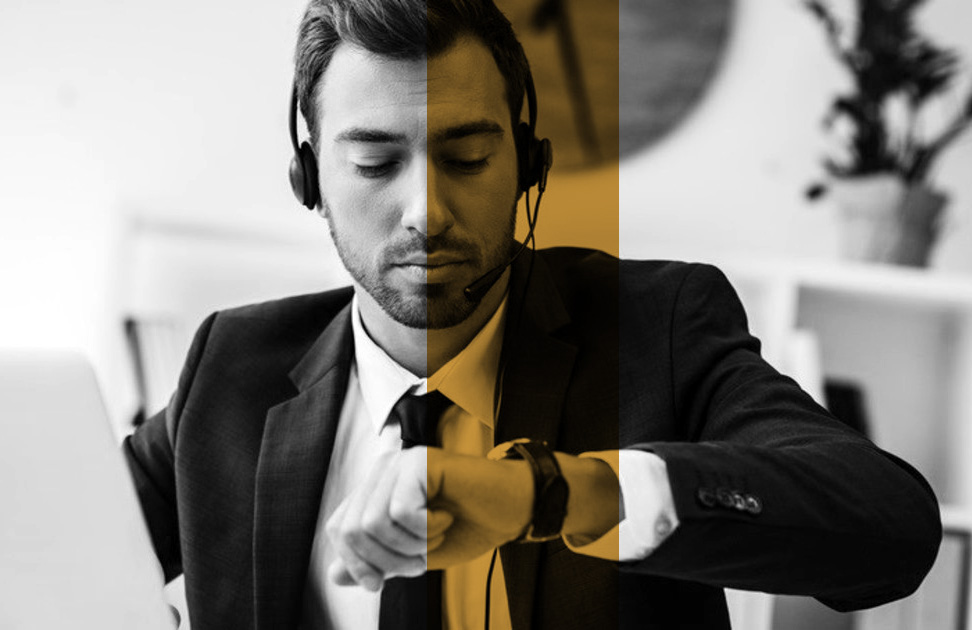
Casual guarding
Casual guarding is a type of security service that provides temporary or on-demand security personnel to cover specific events or fill in for regular security staff. Casual guards are typically used to provide security coverage for events, such as parties, concerts, or conventions, or to fill in for regular security staff who are unavailable due to vacation or sick leave.
Some of the key features of casual guarding service may include:
- Temporary or on-demand coverage: Casual guards are typically used to provide security coverage for events or to fill in for regular security staff who are unavailable.
- Event security: Casual guards are trained to provide security for events, such as parties, concerts, or conventions.
- Flexibility: Casual guards can be scheduled to work at different times and locations, providing a flexible security solution.
- Professionalism: Casual guards are trained to be professional and presentable, ensuring they can blend in with the event attendees.
- Incident management: Casual guards are trained to deal effectively with a wide range of security-related incidents, such as suspicious behavior, trespassing, and vandalism.
It’s worth noting that casual guarding service can be a cost-effective solution for organizations that have occasional security needs or that need to fill in for regular security staff who are unavailable. Casual guards can be scheduled on short notice, providing a flexible and efficient solution for temporary security coverage

Armed response
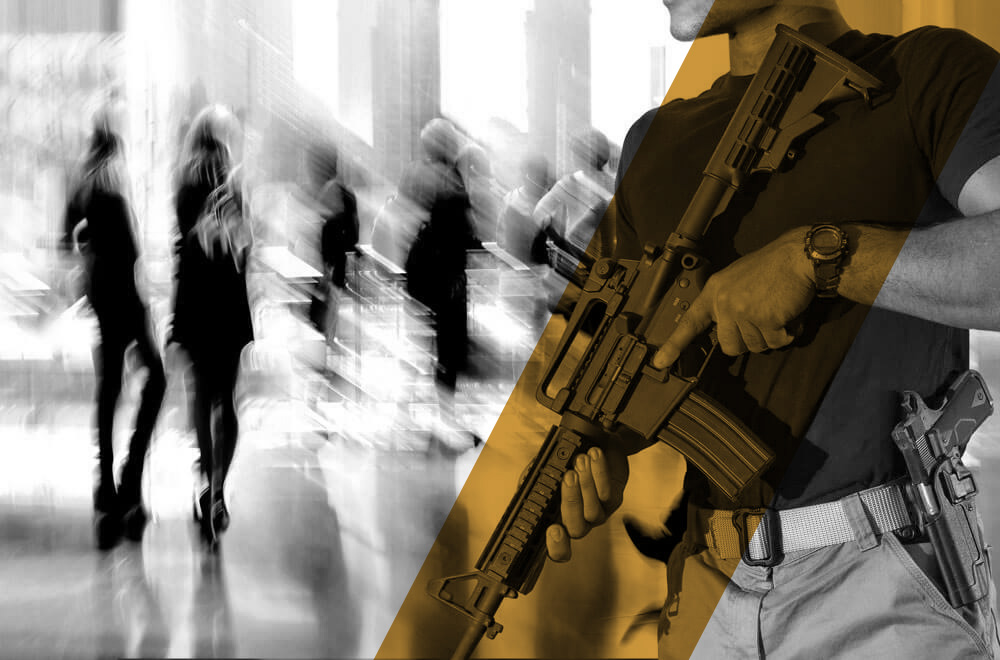
An armed response service is a type of security service that involves the use of armed personnel to respond to security-related incidents. These personnel are trained and equipped to handle a wide range of security-related incidents, including high-risk situations such as armed robbery or active shooter scenarios.
Some of the key features of an armed response service may include:
- Rapid response: Armed personnel are trained to respond quickly to calls for assistance or reports of incidents, ensuring that help arrives as soon as possible.
- High-risk incident management: Armed personnel are trained to deal effectively with high-risk incidents, such as armed robbery or active shooter scenarios.
- Use of force: The personnel are trained to use appropriate force in response to the incident and situation.
- Communication: The armed personnel have communication devices to communicate with the control center or emergency services in case of any incident.
- Reporting: The armed personnel will document and report any incidents or suspicious activity they encounter during their response.
It’s worth noting that armed response service is typically used in high-risk areas or for clients who have a specific need for armed security. This service can also be used in conjunction with other security measures, such as surveillance cameras or mobile patrols, to enhance the overall level of security. Additionally, it is important to ensure that the armed security personnel are properly licensed and trained to use their weapon. The use of force should always be in compliance with the laws of the jurisdiction where they are operating.
Control room
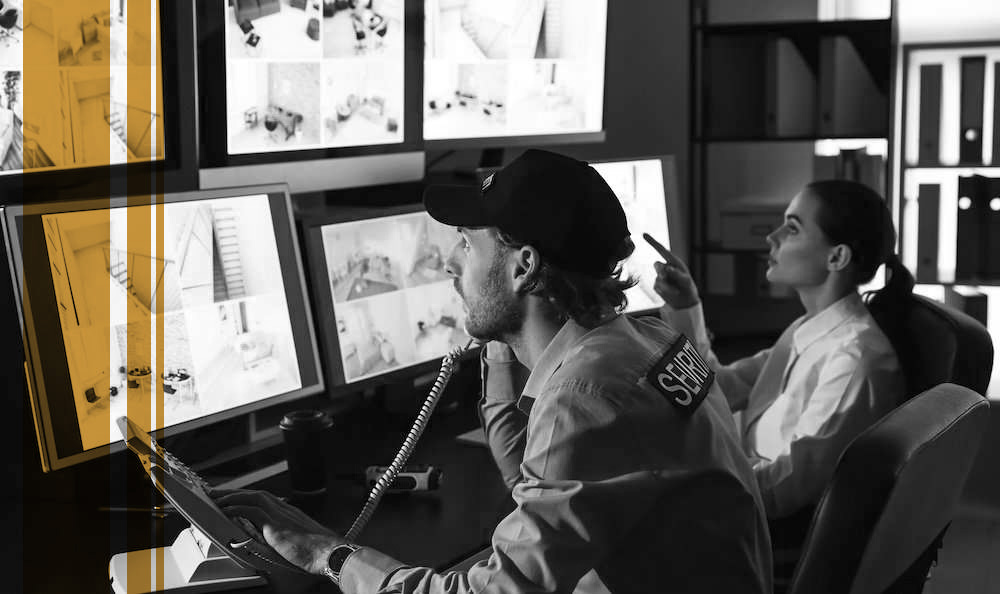
A security control room is a central location where security personnel monitor and manage the security of a facility or area. Control rooms are typically staffed by trained security personnel who use surveillance equipment, such as cameras and alarms, to monitor the facility and respond to security-related incidents.
Some of the key features of a security control room may include:
- Monitoring: The control room is equipped with surveillance equipment, such as cameras and alarms, to monitor the facility and detect security-related incidents.
- Communication: The control room is connected to the communication devices of the mobile patrols or guards in the field, allowing the personnel in the control room to communicate with them and provide instructions.
- Incident management: The control room personnel are trained to deal effectively with a wide range of security-related incidents, such as suspicious behavior, trespassing, and vandalism.
- Reporting: The control room personnel will document and report any incidents or suspicious activity they encounter during their monitoring.
- Integration: The control room can be integrated with other security systems, such as access control systems and fire alarms, providing a centralized location for monitoring and managing the overall security of the facility.
It’s worth noting that security control rooms can be beneficial for large facilities or areas that require constant surveillance. They can provide a centralized location for monitoring and managing security, and can enhance the effectiveness of other security measures, such as mobile patrols or stationary guards. Additionally, by having a control room, it allows security personnel to have a better overview of the situation and respond to incidents more efficiently and effectively.

Safe entry
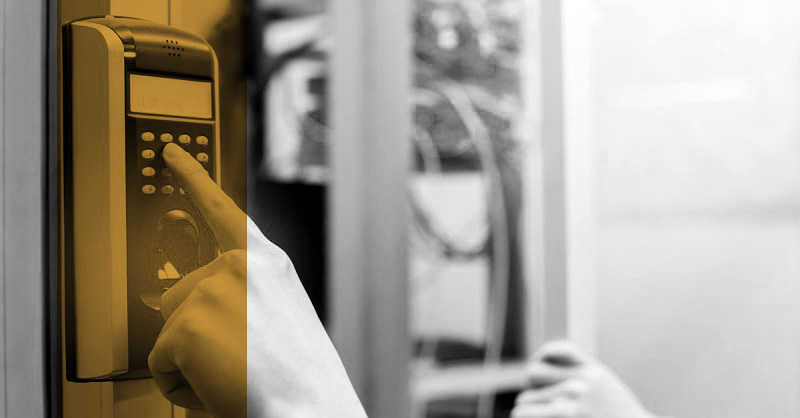
Safe entry service is a type of security service that is focused on controlling access to a facility or area. This service typically involves the use of trained security personnel to verify the identity of individuals entering the facility and ensure that only authorized personnel are allowed to enter.
Some of the key features of a safe entry service may include:
- Identity verification: Security personnel will verify the identity of individuals entering the facility, typically through a government-issued ID or a background check.
- Access control: Security personnel will ensure that only authorized personnel are allowed to enter the facility, by checking the credentials of the individual.
- Compliance: The service ensures that the facility is in compliance with any regulations or laws related to the access control
- Incident management: The security personnel are trained to deal effectively with a wide range of security-related incidents, such as suspicious behavior, trespassing, and vandalism.
- Reporting: The security personnel will document and report any incidents or suspicious activity they encounter during the access control process.
It’s worth noting that safe entry service can be used in a variety of settings, such as office buildings, residential communities, or government facilities. This service can also be integrated with other security measures, such as surveillance cameras or alarm systems, to enhance the overall level of security. Additionally, it can also be used to control access to certain areas within the facility, such as a server room or laboratory.
24/7 Alarm systems
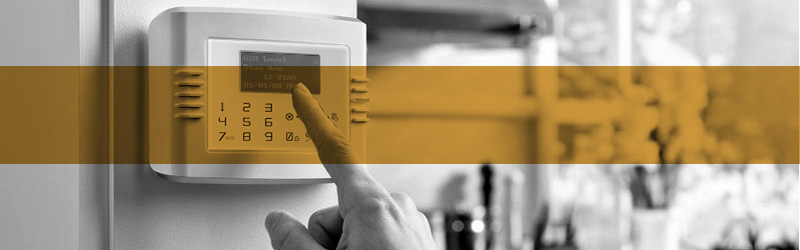
A 24/7 alarm system is a type of security system that is designed to provide constant protection for a facility or area. These systems are typically monitored around the clock by a security control room or a central monitoring station, which will respond to any alarms or alerts that are triggered.
Some of the key features of a 24/7 alarm system may include:
- Constant monitoring: The system is monitored around the clock, providing constant protection for the facility or area.
- Rapid response: The monitoring center will respond quickly to any alarms or alerts that are triggered, ensuring that help arrives as soon as possible.
- Remote monitoring: Some systems can be accessed remotely, allowing the monitoring center to check the status of the system and respond to any alarms or alerts that are triggered.
- Integration: The system can be integrated with other security measures, such as surveillance cameras or access control systems, to enhance the overall level of security.
- Reporting: The monitoring center will document and report any alarms or alerts that are triggered, as well as the actions taken in response.
It’s worth noting that 24/7 alarm systems can be beneficial for facilities or areas that require constant protection or have a high risk of security-related incidents. They can provide a rapid response to security incidents, even when the facility is unoccupied, and can be integrated with other security measures to enhance the overall level of security. Additionally, these systems can also be equipped with sensors that detect fire, gas, or flood and trigger the alarm accordingly.
Tactical Units
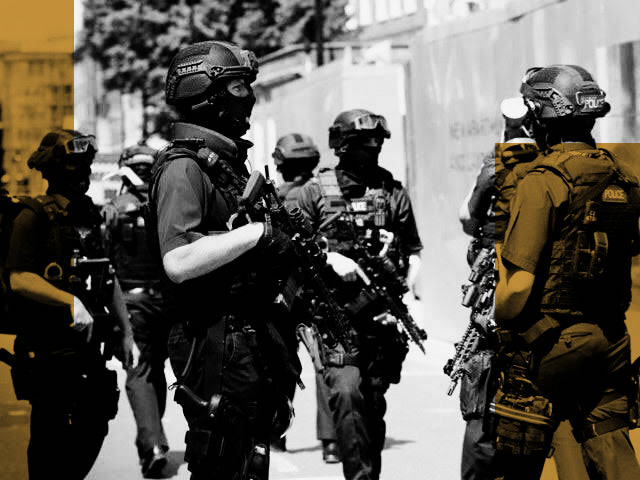
Tactical units are specialized teams of security personnel that are trained and equipped to handle high-risk or high-stakes security-related incidents. These units are typically composed of highly trained and experienced personnel who are equipped with specialized equipment and weapons to handle a wide range of security-related tasks, including personal protection, crisis management, and high-risk law enforcement operations.
Some of the key features of a tactical unit may include:
- Specialized training: The personnel are trained in a variety of specialized techniques, such as close-quarters combat, weapons handling, and high-risk law enforcement operations.
- Specialized equipment: The personnel are equipped with specialized equipment, such as body armor, weapons, and communications equipment, to handle a wide range of security-related tasks.
- High-risk incident management: The unit is trained to deal effectively with high-risk incidents, such as armed robbery, active shooter scenarios, and hostage situations.
- Rapid response: The unit can respond quickly to high-risk incidents, ensuring that help arrives as soon as possible.
- Coordination: The unit often works closely with other security forces, such as local law enforcement agencies, to provide a coordinated response to security incidents.
It’s worth noting that tactical units are typically used in high-risk or high-stakes situations, such as protection of high-profile individuals, critical infrastructure, or large-scale public events. These units are often called upon to handle incidents that are beyond the capability of regular security personnel, and their specialized training and equipment allow them to operate effectively in high-risk environments.
Escorting
Escorting is a type of security service that involves the use of trained security personnel to escort individuals or valuable assets to a specific location. This service is designed to provide protection and security for the individual or assets being escorted, and to ensure that they arrive safely at their destination.
Some of the key features of an escorting security service may include:
- Personal protection: The security personnel provide protection for the individual or assets being escorted, ensuring their safety throughout the trip.
- Risk assessment: The security team will conduct a thorough assessment of potential risks and develop a plan to mitigate them.
- Route planning: The security team will plan the route and make sure it’s secure before the individual or assets are moved.
- Communication: The security personnel have communication devices to communicate with the control center or emergency services in case of any incident.
- Discreet and professional service: The security team will be trained to be discreet and professional, so as not to draw attention to themselves or their clients.
It’s worth noting that escorting security service can be used in a variety of settings, such as transportation of valuable assets, VIP or executive protection, or high-profile individual’s transportation. This service can also be used in conjunction with other security measures, such as surveillance cameras or mobile patrols, to enhance the overall level of security. Additionally, the security personnel can also provide a surveillance during the transportation, and make sure the cargo or individual is not tampered with.